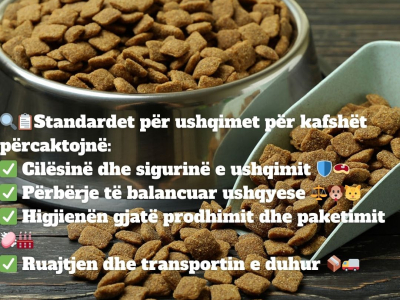
Pet food standards play a crucial role in ensuring the quality, safety and nutritional value of products intended for pets and farm animals. They set clear requirements for the composition, production, processing, packaging, storage and labelling of these products.
What do pet food standards cover?
Food safety – Prevent the presence of hazardous substances, contaminants, pathogenic microorganisms and chemical residues that can harm animal health.
Nutritional composition – Determine the appropriate levels of proteins, fats, vitamins and minerals, to ensure a balanced diet according to the type and age of the animal.
Quality and traceability – Require the use of safe and controlled raw materials at every stage of the production chain.
Hygiene and production conditions – Set requirements for good manufacturing, storage and transport practices, in order to avoid contamination.
Accurate labeling – Ensure that the information on the packaging is clear, complete and truthful for users.
Animal feed standards:
SSH EN 17294:2019 Animal feeding stuffs - Methods of sampling and analysis - Determination of organic acids by chromatography
SSH EN 15593:2008– Hygiene management in the production of packaging for foodstuffs, including those for animals.
The implementation of these standards increases the confidence of farmers and animal owners, facilitates trade and contributes to the protection of public health. Safe animal feed is an important link in the food chain and directly affects the quality of products of animal origin.

 Shqip
Shqip